Vital Stats
Main Town
Kullu
Total Area
5,503 sq km
Population
437,903
Points of Interest
Rohtang Pass
A high mountain pass on the eastern Pir Panjal Range, connecting Kullu with Lahaul and Spiti.
Solang Valley
Known as the Adventure Valley, offering paragliding, zorbing, and skiing with breathtaking glacier views.
Old Manali
Charming colonial-style cafes, local markets, and the ancient Hadimba Devi Temple.
Kasol & Parvati Valley
A haven for backpackers, famous for its trekking trails and vibrant river-side culture.
Kullu —
The mystical 'Valley of Gods'.
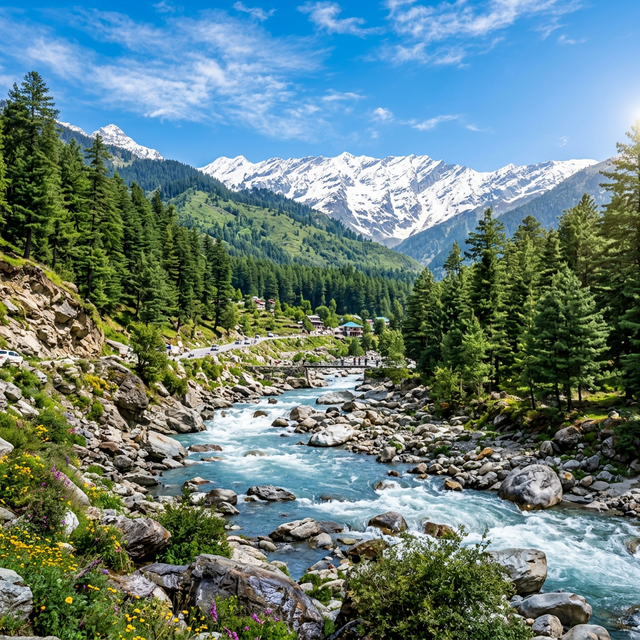
Kullu is an enchanting valley framed by the Beas River, famous for its vibrant festivals and hand-woven artistry.
Heritage Timeline
The history of Kullu dates back approximately 2,000 years. The name is derived from 'Kuluta', found inscribed on first-century coins. Known in ancient texts as 'Kulanthpith' (End of the Habitable World), it remained isolated for centuries. The kingdom was founded in the first century A.D. by Behangamani Pal, a traveler from Prayag who overthrew local Thakurs. Kullu reached its peak under Raja Man Singh, extending its borders to Shimla. In 1660, the capital shifted to Sultanpur when the sacred idol of Lord Raghunath was brought from Ayodhya, marking the birth of the world-famous Kullu Dussehra. The Sikhs briefly held power in 1839 before it was ceded to the British in 1846.
Cultural Essence
The 'Devta' system is the bedrock of Kulluvi culture, where village deities dictate social and religious norms. The region is famous for its hand-woven woolen shawls with geometric patterns and the spirited 'Kulluvi Nati' folk dance. Architecture predominantly follows the 'Kath-Kuni' style, using alternating layers of wood and stone. The International Kullu Dussehra is a spectacle where hundreds of deities arrive on palanquins to pay homage to Lord Raghunath.
Seasonal Guide
Climate & Packing.
Peak Summer
10°C - 25°C
Usually spanning March to June. This is the golden window for high-altitude trekking and escaping the tropical heat of the Indian plains. The air is crisp, and the trails are clear.
Deep Winter
-5°C - 15°C
Usually November to February. Upper reaches transform into a white desert of snow, while the valleys enjoy a sharp, cold sun. Perfect for winter sports and cozy mountain living.
Monsoon Dynamics
"Moderate to heavy rain, scenic but landslides possible"
Essential Packing
Breathable cottons for summer, heavy woolens and waterproof gear for winter/monsoon
Expedition Hub
Adventure & Pure Nature.
Expedition Planning
Curated Journeys.
Select Experience
Experience Profile
"A focused journey through the spiritual and natural heart of Kullu."
Riverside Arrival
Settle by the Beas river. Visit the central Raghunath Temple and explore the vibrant local market for Kullu shawls.
Key Milestones & Activities
Travel Intelligence
Getting to Basecamp.
Air Travel
Bhuntar (Kullu) - 10 km
Primary Hub
Rail Link
Joginder Nagar (Narrow Gauge) - 120 km
Nearest Station
From CHD
270 km
Road Distance
From Delhi
490 km
Road Distance
Cultural Calendar
Heritage & Fairs.
Kullu Dussehra
A week-long international festival where over 200 deities gather.
Winter Carnival
Celebration of culture and winter sports in the valley.
Visual Archive
Capturing the Heights.
Featured View
Kullu Landscape
Community
stills incoming
District Flavors
Culinary Heritage
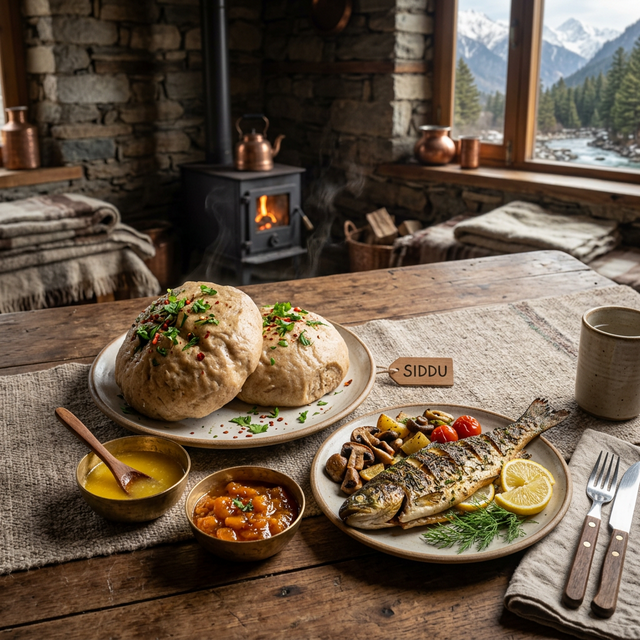
Siddu
"A steamed bun made from wheat flour, stuffed with poppy seeds, walnuts, and spices."
Archival Context
Siddu is a winter staple in Kullu, providing warmth and energy during the harsh Himalayan winters.
Always serve with a generous dollop of pure Desi Ghee (clarified butter).
Nature Registry
Biodiversity Archive
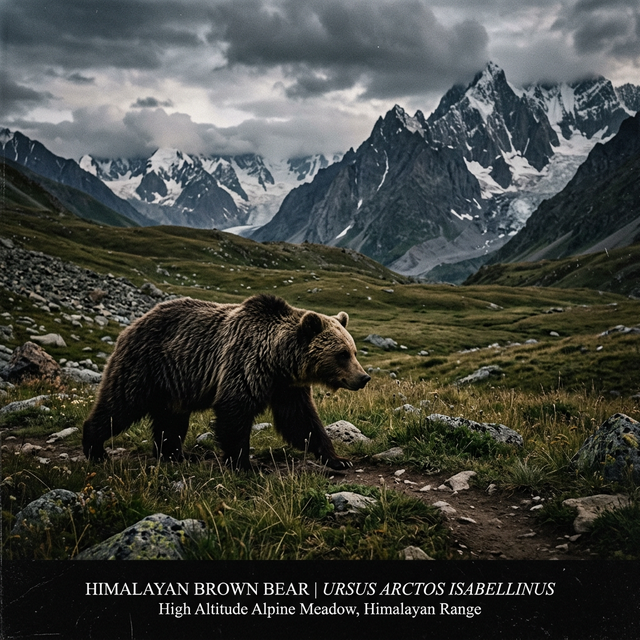
Himalayan Brown Bear
Ursus arctos isabellinus
One of the rarest bears in the world, found only in the high altitude meadows of the Great Himalayan National Park.