Vital Stats
Main Town
Hamirpur
Total Area
1,118 sq km
Population
454,768
Points of Interest
Baba Balak Nath Temple
A highly sacred cave shrine at Deotsidh, visited by millions of devotees every year.
Sujanpur Tira Fort
A historical fort built by the Katoch kings, overlooking a massive public ground and various temples.
Nadaun
A quaint town on the banks of the Beas, once a strategic capital of the Katoch kings.
Gasota Mahadev
An ancient Shiva temple known for its natural serenity and a popular spot during the 'Maha Shivratri'.
Hamirpur —
The progressive 'Veer Bhoomi'.
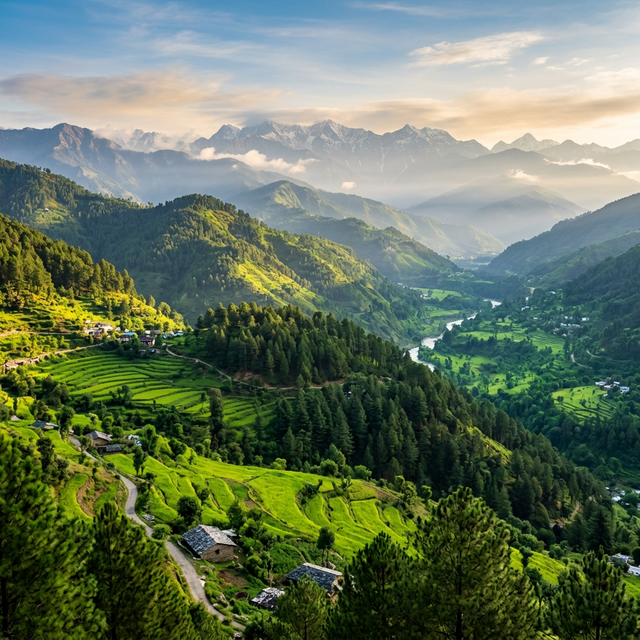
Hamirpur is a hub of education and martial tradition, characterized by its rolling hills and high literacy rates.
Heritage Timeline
Hamirpur's history is deeply linked to the Katoch dynasty, rulers of the ancient Jullundur-Trigarta empire. It is named after Raja Hamir Chand, who built a fort here around 1700 A.D. Another great ruler, Raja Sansar Chand, made Sujanpur Tihra his capital and built grand palaces and temples. The region was later annexed by Maharaja Ranjit Singh and then by the British in 1846. It was carved out as a separate district in 1972, consistently leading the state in education and per-capita army enrollment.
Cultural Essence
Known as 'Veer Bhoomi' due to every household's connection to the Indian Armed Forces. The shrine of Baba Balak Nath at Deotsidh is the most visited site, where devotees offer rotis at a cave temple. The culture is a mix of martial pride and agrarian life. Festivals like the 'Hamir Utsav' celebrate local folk arts, and the town of Sujanpur is famous for its massive public 'Chaugan' esplanade.
Seasonal Guide
Climate & Packing.
Peak Summer
20°C - 38°C
Usually spanning March to June. This is the golden window for high-altitude trekking and escaping the tropical heat of the Indian plains. The air is crisp, and the trails are clear.
Deep Winter
4°C - 20°C
Usually November to February. Upper reaches transform into a white desert of snow, while the valleys enjoy a sharp, cold sun. Perfect for winter sports and cozy mountain living.
Monsoon Dynamics
"Substantial rainfall, transforming the pine forests into a deep green, but high humidity"
Essential Packing
Breathable cottons for summer, light woolens for winter nights
Expedition Hub
Adventure & Pure Nature.
Expedition Planning
Curated Journeys.
Select Experience
Experience Profile
"A quick dive into the historic forts and holy shrines of Hamirpur."
Forts & Shrines
Visit the highly revered Deotsidh temple and the historic Sujanpur Tira Fort.
Key Milestones & Activities
Travel Intelligence
Getting to Basecamp.
Air Travel
Gaggal (Kangra) - 80 km
Primary Hub
Rail Link
Una - 65 km
Nearest Station
From CHD
190 km
Road Distance
From Delhi
391 km
Road Distance
Cultural Calendar
Heritage & Fairs.
Hamir Utsav
State-level fair commemorating the creation of the district with cultural performances.
Baba Balak Nath Holi Mela
Celebrated with great fervor at the Deotsidh shrine.
Visual Archive
Capturing the Heights.
Featured View
Hamirpur Landscape
Community
stills incoming
District Flavors
Culinary Heritage
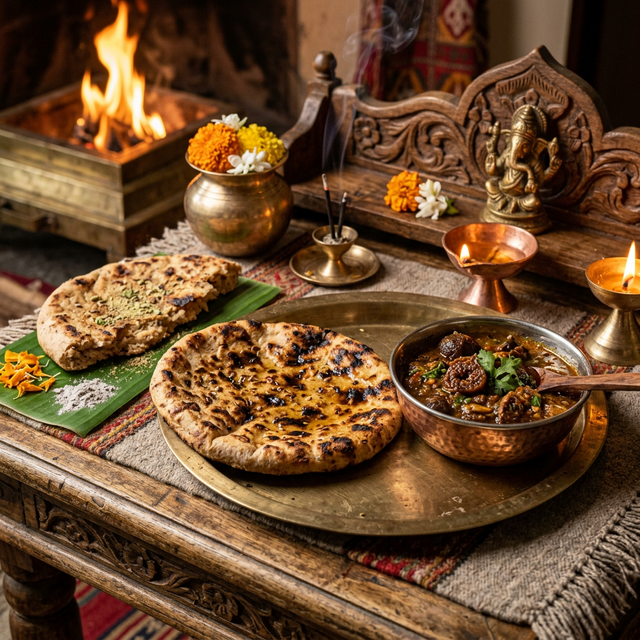
Sujanpuri Rot & Katara Food
"A unique mix of sacred temple offerings (Rot) and the robust, simple meals of the Katoch warriors."
Archival Context
Hamirpur's culinary history is tied to the Sujanpur Tira court, where grand feasts were hosted by the Katoch kings.
The 'Baba Balak Nath Rot' is a sacred whole-wheat offering that is famous across northern India.
Nature Registry
Biodiversity Archive
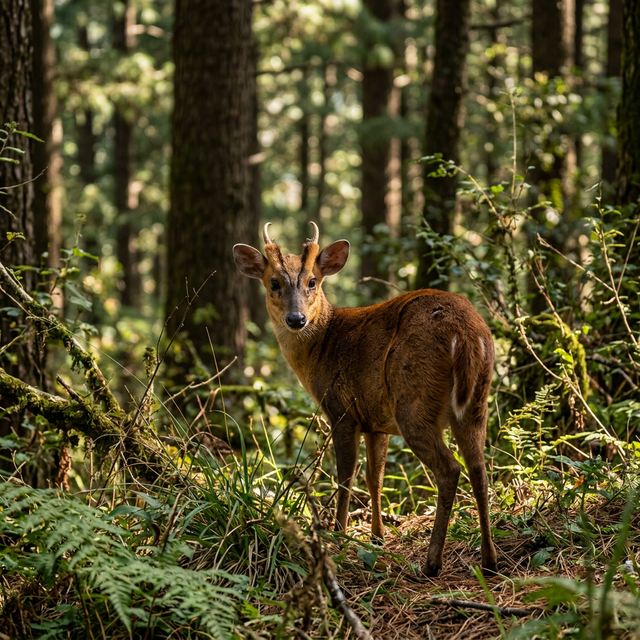
Barking Deer
Muntiacus muntjak
A common sight in the pine-covered hills of Hamirpur, known for its vocalizations that resemble a bark.