Vital Stats
Main Town
Chamba
Total Area
6,522 sq km
Population
519,080
Points of Interest
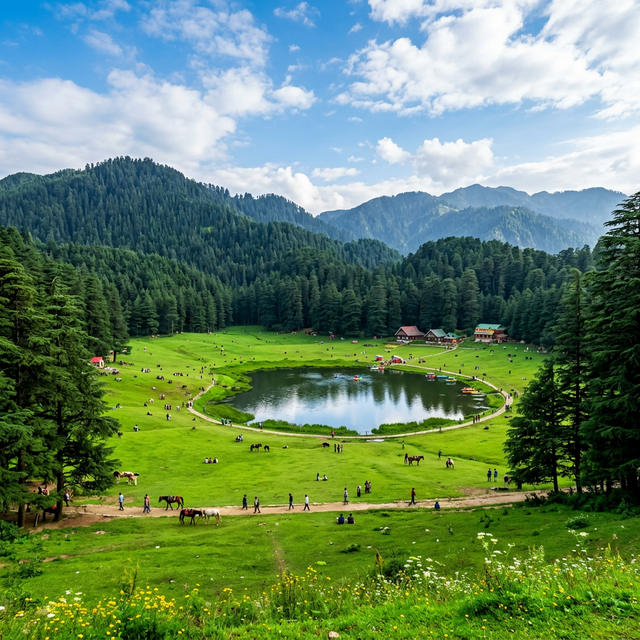
Khajjiar Lake
Commonly known as the 'Mini Switzerland of India', featuring a floating island and cedar forests.
Choughan Ground
The social and cultural heart of Chamba, where the Minjar Mela is celebrated annually.
Lakshmi Narayan Temple
A 10th-century temple complex built by Sahil Varman, showcasing Shikhara style architecture.
Mani Mahesh Lake
A high-altitude pilgrimage site located at the foot of the sacred Mani Mahesh Kailash peak.
Chamba —
A reservoir of ancient stone architecture.
Chamba is an untouched paradise that has preserved its artistic heritage and medieval temples for over a thousand years.
Heritage Timeline
Chamba is unique for its well-documented history since 500 A.D., protected by its remote mountain ranges. The ruling family was founded by Raja Maru around 550 A.D., with the original capital at Brahampura (Bharmour). In 920 A.D., Raja Sahil Varman shifted the capital to Chamba town, naming it after his daughter, Champavati. The Laxmi Narayan temple complex stands as a witness to this glorious era. Chamba safely preserved its Pahari culture and exquisite stone architecture even during the peak of external invasions in northern India. It merged with the Indian Union in April 1948.
Cultural Essence
The 'Chamba Rumal', world-renowned for its 'Dorukha' (double-sided) silk embroidery, is a symbol of Chamba's artistic excellence. The 'Minjar Mela' is a unique harvest festival where silken tassels are offered to the Ravi River. Chamba shoes (Chappals) are G.I. tagged for their unique craftsmanship. Folk songs like 'Musaddi' and traditional dances reflect the emotional depth of its people, who still preserve ancient stone-carving techniques.
Seasonal Guide
Climate & Packing.
Peak Summer
15°C - 35°C
Usually spanning March to June. This is the golden window for high-altitude trekking and escaping the tropical heat of the Indian plains. The air is crisp, and the trails are clear.
Deep Winter
0°C - 15°C
Usually November to February. Upper reaches transform into a white desert of snow, while the valleys enjoy a sharp, cold sun. Perfect for winter sports and cozy mountain living.
Monsoon Dynamics
"Moderate rainfall, misty landscapes, landslides possible on high passes"
Essential Packing
Light cottons for summer, heavy woolens for winter snowfall visits
Expedition Hub
Adventure & Pure Nature.
Expedition Planning
Curated Journeys.
Select Experience
Experience Profile
"A journey through time in the medieval town of Chamba and the alpine meadows of Khajjiar."
Chamba Town Heritage
Explore the ancient temples of Chamba town and the Bhuri Singh Museum which houses rare Pahari paintings.
Key Milestones & Activities
Travel Intelligence
Getting to Basecamp.
Air Travel
Gaggal (Kangra) - 120 km
Primary Hub
Rail Link
Pathankot - 120 km
Nearest Station
From CHD
340 km
Road Distance
From Delhi
600 km
Road Distance
Cultural Calendar
Heritage & Fairs.
Minjar Mela
An international harvest festival marked by cultural processions and silken tassels.
Suhi Mata Mela
A fair dedicated to the sacrifice of Queen Sunayana for the town's water supply.
Visual Archive
Capturing the Heights.
Featured View
Chamba Landscape
Community
stills incoming
District Flavors
Culinary Heritage
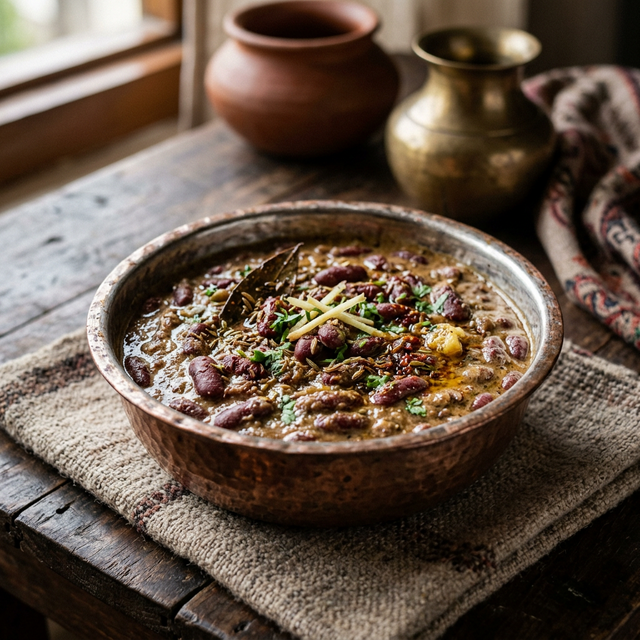
Chamba Madra
"Slow-cooked Rajma (kidney beans) in a rich yogurt and local spice gravy."
Archival Context
Madra is the soul of Chamba's culinary identity, dating back to the princely era of the Chamba state.
Best paired with steamed Basmati rice and a side of Khatta (tangy pumpkin dish).
Nature Registry
Biodiversity Archive
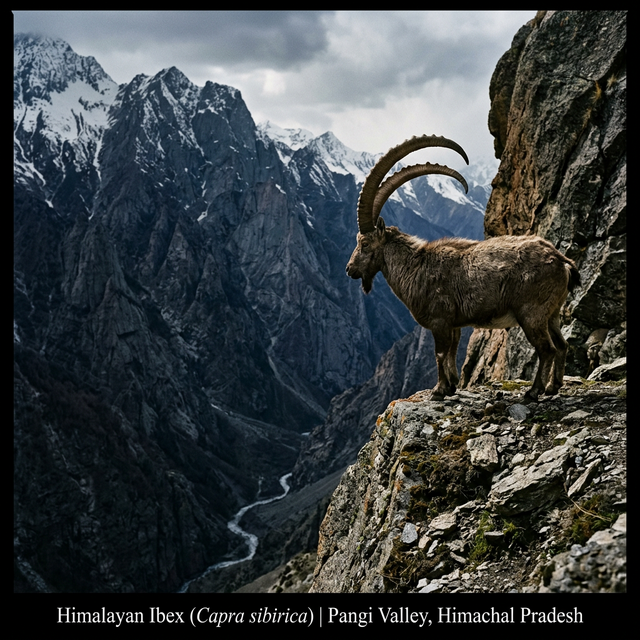
Himalayan Ibex
Capra sibirica
A sturdy mountain goat known for its large curved horns, found in the high cliffs of the Pangi valley.